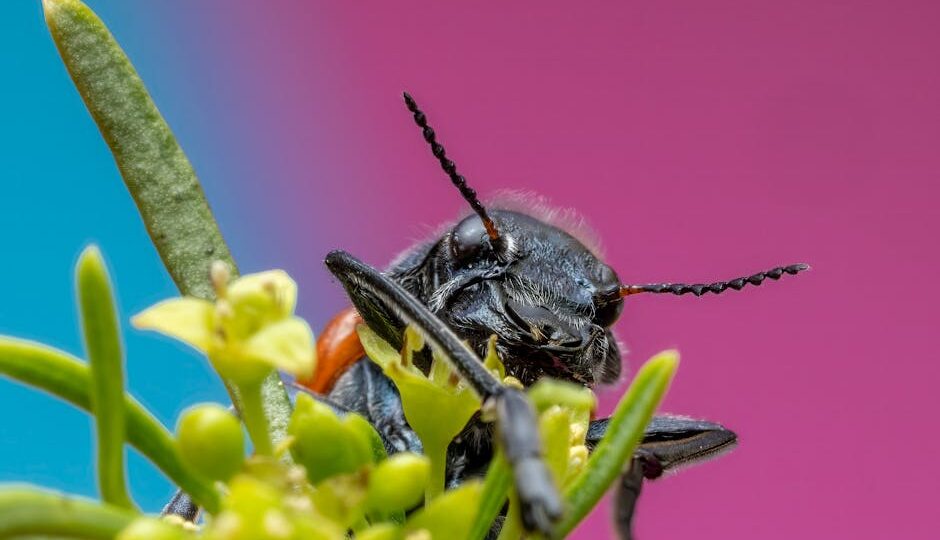
The Buzz About Bugs: Why Insects Are the Future
It’s 2026, and the culinary landscape is evolving at an astonishing pace. While some might still raise an eyebrow at the thought of munching on a grasshopper, the truth is, insect cuisine is rapidly gaining traction across the globe. According to a report by the Food and Agriculture Organization, over 2 billion people already incorporate insects into their diet. This isn’t just happening in far-flung corners of the world; cities like London, New York, and Tokyo are now home to trendy insect restaurants that serve everything from cricket tacos to mealworm smoothies.
The rising popularity of bug-based cuisine is more than just a passing trend. With the planet’s population set to reach 8.5 billion by 2030, feeding everyone sustainably is becoming a pressing concern. Insects are hailed as a viable solution due to their high protein content and low environmental impact.
Environmental Impact: A Greener Meal Choice
One of the most compelling reasons behind the insect-eating movement is the potential environmental benefits. Traditional livestock farming is responsible for a significant share of greenhouse gas emissions, not to mention the extensive water and land use required. In stark contrast, insects require far fewer resources. For example, crickets need just one-tenth of the feed that cattle require to produce the same amount of protein. Plus, they emit considerably less methane, making them a much more sustainable option.
Consider this: to produce a kilogram of beef, you need approximately 15,000 liters of water. In comparison, insects require only a tiny fraction of that amount. In a world increasingly plagued by droughts and water scarcity, these numbers make a compelling case for making the switch.
Nutritional Value: Tiny Titans of Protein
It’s not just the eco-credentials that make insects appealing. From a nutritional standpoint, these little critters pack a serious punch. They’re rich in protein, fatty acids, vitamins, and minerals. A serving of grasshoppers, for example, contains as much protein as the same portion of chicken breast.
Moreover, they offer an excellent source of micronutrients often lacking in traditional Western diets, such as zinc, iron, and vitamin B12. In some cultures, insects are even considered a delicacy, revered for their unique flavors. With chefs worldwide experimenting with these ingredients, the culinary potential is vast and exciting.
The Economic Angle: Farming Bugs for Profit
As insect farming becomes more mainstream, it presents new economic opportunities, particularly for small-scale and urban farmers. The low cost of rearing insects makes it an accessible venture. In Thailand, for instance, which has a longstanding tradition of entomophagy, there are over 20,000 insect farms contributing to the local economy.
Countries are starting to recognize these economic potentials. The European Union has invested in research grants to further understand and optimize insect farming. With the global edible insect market expected to skyrocket to $8 billion by 2030, it’s clear that this is a burgeoning industry ready to take off.
Cultural Shifts: Changing Perceptions
For many in the West, the idea of eating insects might still elicit a squirm. However, cultural perceptions are swiftly changing. Just as sushi and raw fish were once considered bizarre but are now mainstream, so too might the perception of edible insects undergo a transformation. Much of this change can be attributed to chefs and food influencers who are introducing insects as gourmet fare.
Events like the annual Bugfest in North Carolina, which attracts thousands of visitors eager to sample culinary delights like chocolate-covered crickets, are helping shift these mindsets. As insects become a staple in high-end dining and appear in more grocery store shelves as protein bars or snack foods, they edge closer to becoming a norm rather than an oddity.
Practical Takeaway: How to Start Your Insect Eating Journey
Curious about jumping on the bug bandwagon? The good news is, there are plenty of ways to get started. Many online retailers now offer insect-based products, from cricket flour for baking to ready-to-eat snacks like spicy grasshoppers or mealworm protein bars.
Start small by incorporating these products into your diet. Replace traditional flour with cricket flour in your favorite pancake recipe or add some roasted mealworms to your salad for a crunchy twist. You might be surprised at how tasty and nutritious these alternatives can be.
Ultimately, the shift towards insect consumption isn’t just a quirky food fad—it’s a necessary step towards a more sustainable and nutritious future. So, why not give it a shot? Your taste buds—and the planet—might thank you.