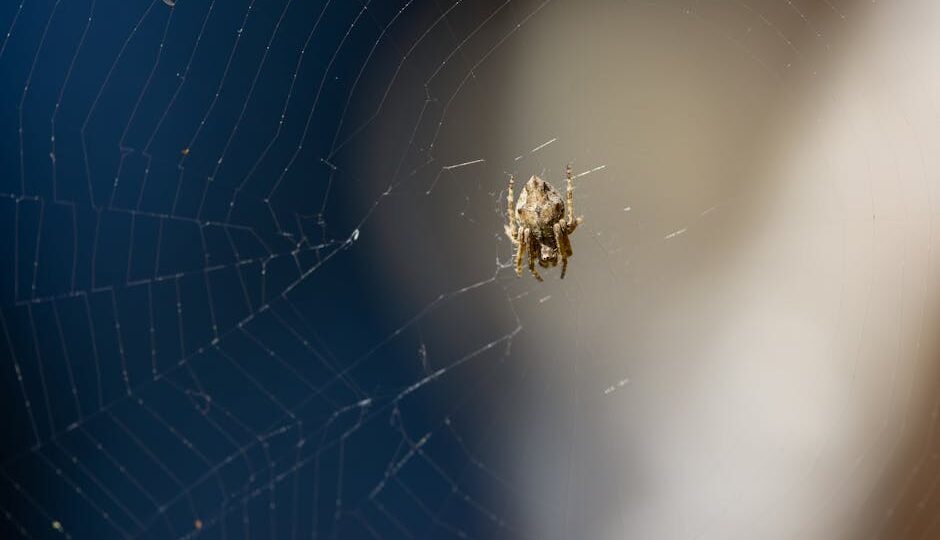
The Rise of the Singing Spiders
In the unlikely setting of a quaint village in northwest Wales, something quite extraordinary has been happening since the start of 2026. Arachnophobes beware: spiders have started to sing. That’s right, the once-creepy crawlers have evolved into mini musicians, leaving scientists and villagers alike scratching their heads—and perhaps tapping their feet.
What Are Singing Spiders?
The phenomenon was first reported in the small town of Llanfairpwllgwyngyll, where residents began hearing a soft, melodious humming emerging from their gardens. After much speculation, and several wild theories ranging from enchanted gnomes to extraterrestrial beings, the true source was identified: Tegenaria harmonica, a newly discovered species of house spider.
These singing spiders produce sounds by rapidly vibrating their abdomens, a technique similar to the stridulation seen in some insects. The result? A surprisingly harmonious tune that has been described as a mix between a lullaby and a jazz improvisation.
The Science Behind the Melody
Dr. Gwenyth Thomas, a renowned arachnologist from Cardiff University, was among the first to study these musical arachnids. “It’s an unprecedented adaptation,” she states. “We believe this evolutionary leap could be a response to environmental changes, or perhaps a new form of communication.”
Further research has shown that the spiders’ songs vary depending on the time of day, temperature, and even the spider’s mood. Morning melodies tend to be more upbeat, while evening performances are soothing and reminiscent of a lullaby.
Local Impact: The Spider Serenade Festival
Llanfairpwllgwyngyll has embraced its newfound fame with open arms. The town now hosts an annual Spider Serenade Festival, attracting tourists from around the globe. Streets are lined with merchandise featuring cartoon spiders wielding tiny microphones, and local pubs are serving up “Arachnid Ale” and “Web Waffles.”
Festival-goers can participate in spider-singing competitions or take guided tours to spot the melodic creatures in their natural habitat. There’s even a ‘Spideoke’ tent, where attendees can sing along with their eight-legged friends.
Could This Trend Spread?
While the singing spiders currently seem confined to this small Welsh village, there’s speculation about whether this unique trait could appear in other spider populations. Some enthusiasts hope that, much like how the songbird’s tunes spread across species, these harmonious vibrations could one day become a common sound in gardens worldwide.
However, skeptics argue that the conditions in Llanfairpwllgwyngyll might be uniquely suited to fostering this phenomenon. Time, and more research, will tell.
The Practical Takeaway
Whether you’re charmed or creeped out by the notion of singing spiders, there’s an important takeaway here about the adaptability of nature. These spiders remind us of the vast, often surprising, potential for evolution in the animal kingdom.
So next time you encounter a spider in your home, before reaching for the bug spray, take a moment to listen. You might just hear a tiny, unexpected serenade.