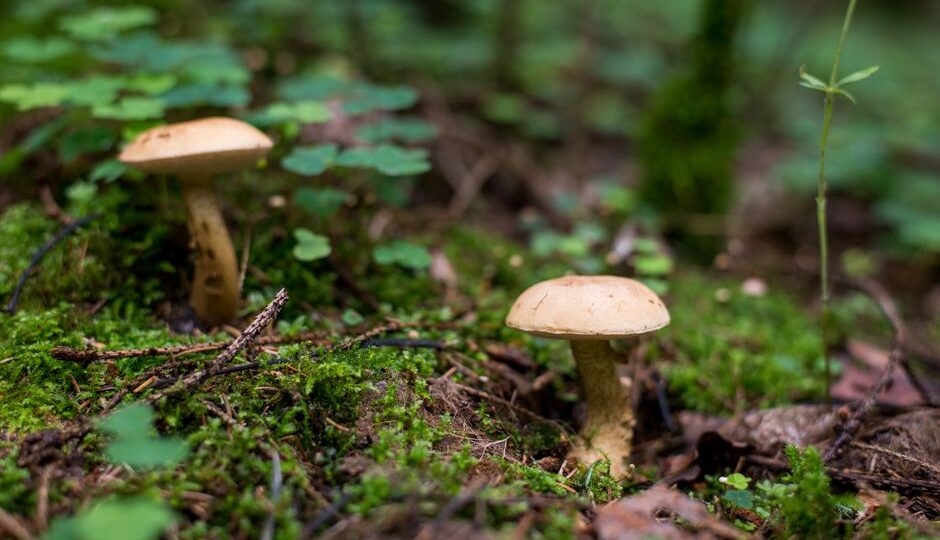
The Unexpected Soundtrack of the Forest
If you thought nature’s playlist was limited to the rustling of leaves and chirping of birds, think again. In 2026, the mystical forests of Dartmoor, England began echoing with a strange, harmonious melody. And the source? None other than the forest floor itself, teeming with what locals now call the Marvelous Musical Mushrooms.
A Symphony of Spores
These unique fungi, discovered in March, have astonished mycologists worldwide. Dr. Helen Arbour, a prominent mycologist at the University of Exeter, was the first to record the phenomenon. She describes them as akin to a small orchestra, each mushroom emitting a unique note that can form complex melodies when combined.
These mushrooms, scientifically labeled as Amanita harmonica, contain a peculiar set of spores that vibrate in response to environmental changes, such as humidity and light. These vibrations produce sounds that are not only audible but surprisingly pleasant to the human ear.
The Science Behind the Sound
How can mere fungi create music? According to research conducted by the University of Exeter, it’s all about the oscillation frequency of the spores. When the spores are exposed to varying atmospheric pressures, they resonate at particular frequencies, similar to a tuning fork. This resonance creates sounds that meld into a symphonic experience.
Further studies reveal that these mushrooms have adapted this unique trait to synchronize with other life forms in the forest. Birds and insects have been observed responding to these musical cues, creating an entire ecosystem that seems to be in perfect harmony.
The Global Reaction and Musical Tourism
The discovery quickly attracted media attention, and tourists from around the globe flocked to Dartmoor to experience the symphony of the forest firsthand. Musical tourism has since become a booming industry in the area, with local guides offering ‘sound safaris’ through the woods, where visitors can listen to the earthy melodies while trekking through the mushroom-dotted landscape.
Local businesses have embraced this trend, with mushroom-themed cafes and shops springing up to cater to the influx of curious travelers. Even musicians have joined the fray, with some composers incorporating the sounds of the mushrooms into their music, creating a new genre known as ‘fungal harmony’.
Environmental Implications and Conservation Efforts
While the wonders of these musical mushrooms have created a cultural and tourist boom, they also bring to light important environmental considerations. Conservationists warn that increased human activity could disrupt this delicate ecosystem. Efforts are underway to balance tourism with preservation, ensuring that the mushrooms continue to thrive and serenade future generations.
Local authorities, alongside environmental groups, are implementing measures such as guided tours, restricted access zones, and educational programs to promote awareness about the importance of protecting these unique organisms.
What’s Next for Musical Mushrooms?
As 2026 draws to a close, scientists, tourists, and musicians alike are excited to see how this symphonic discovery will evolve. Will other regions uncover their own musical fungi? Only time will tell. For now, the Marvelous Musical Mushrooms of Dartmoor continue to charm those lucky enough to hear their song.
Practical Takeaway: If you’re planning a visit to Dartmoor to witness this natural symphony, remember that with great wonder comes great responsibility. Respect the environment, stay on guided paths, and support conservation efforts to ensure these magical melodies continue to enchant us all.